Description:
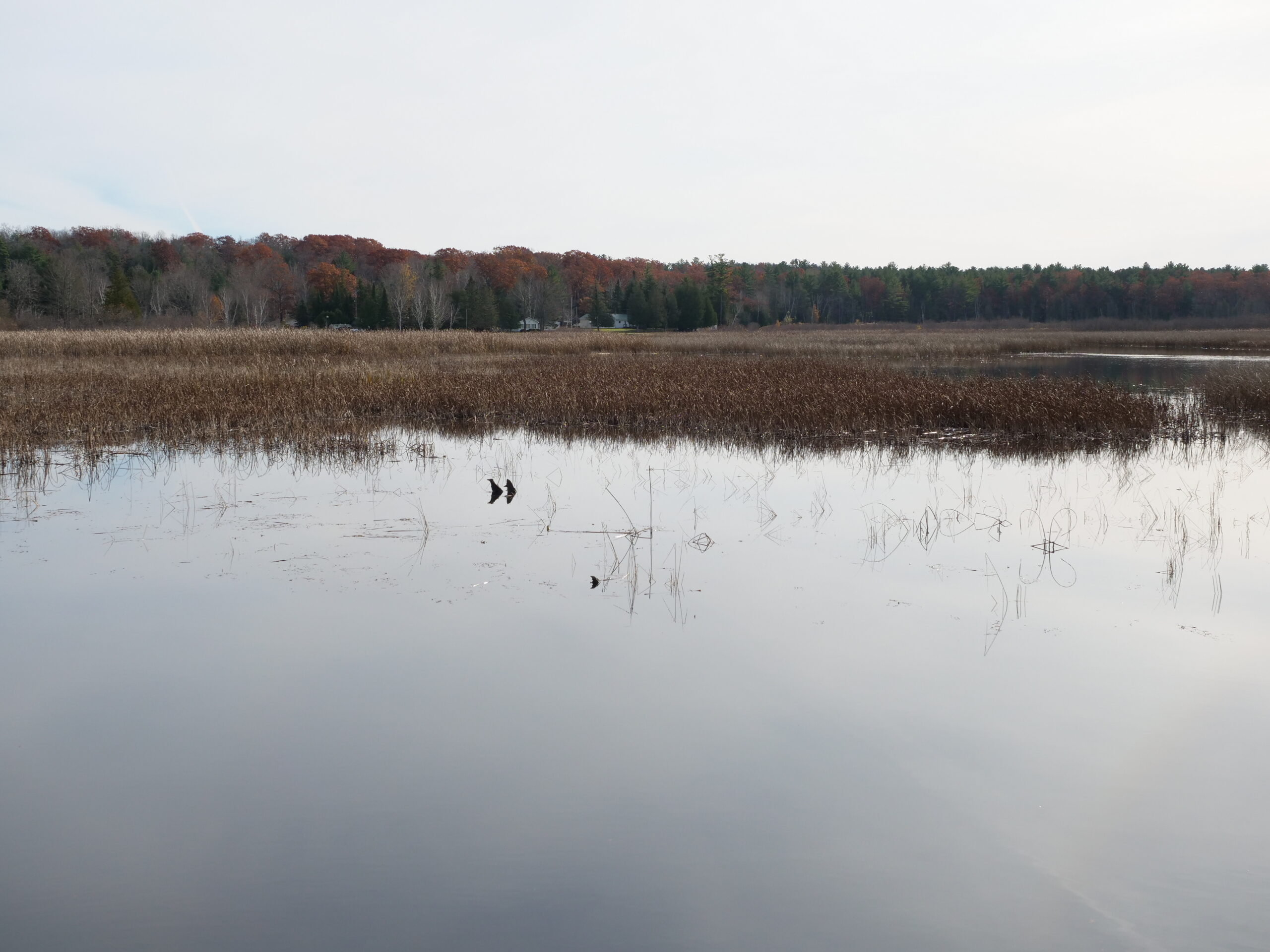
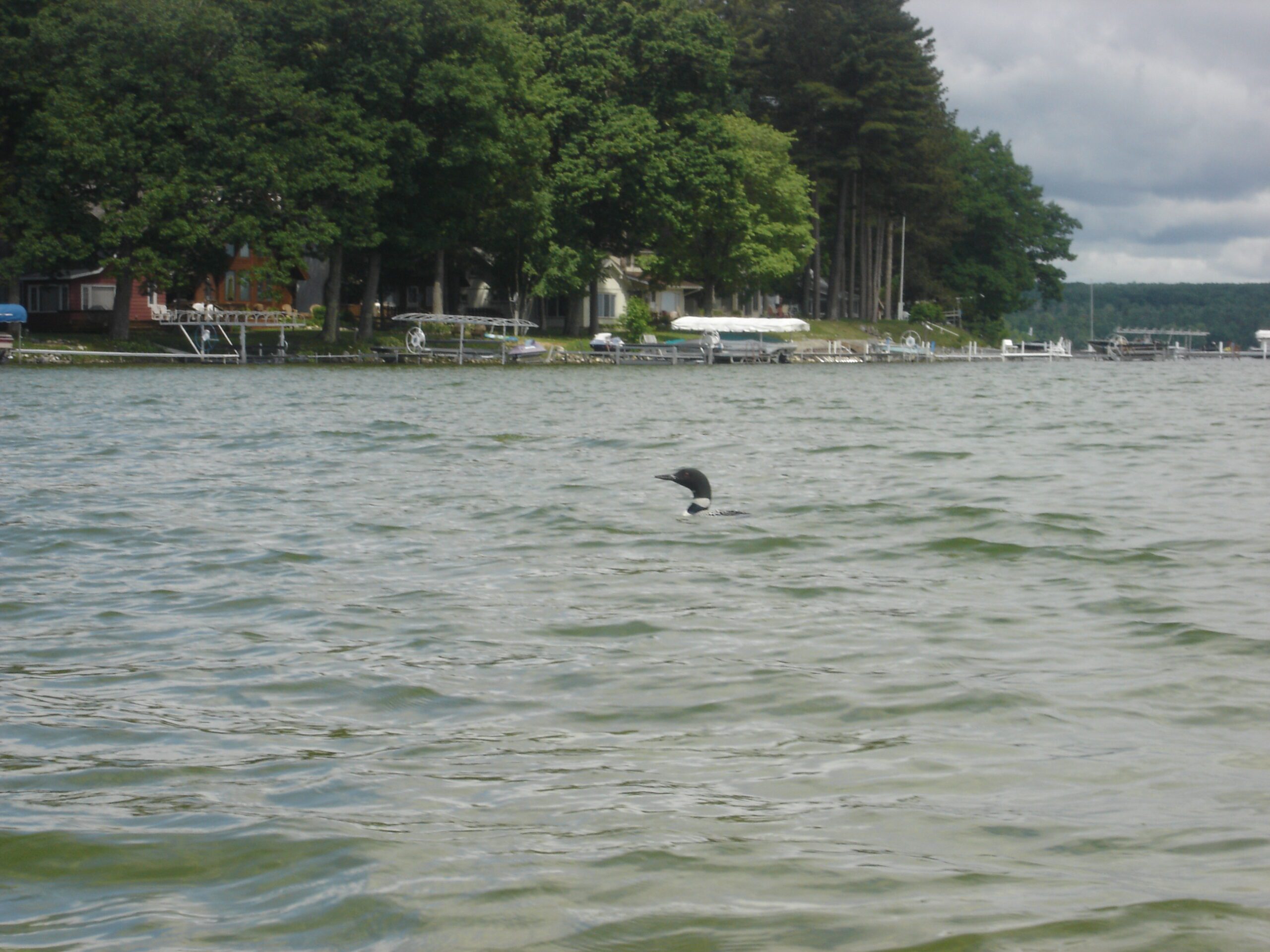
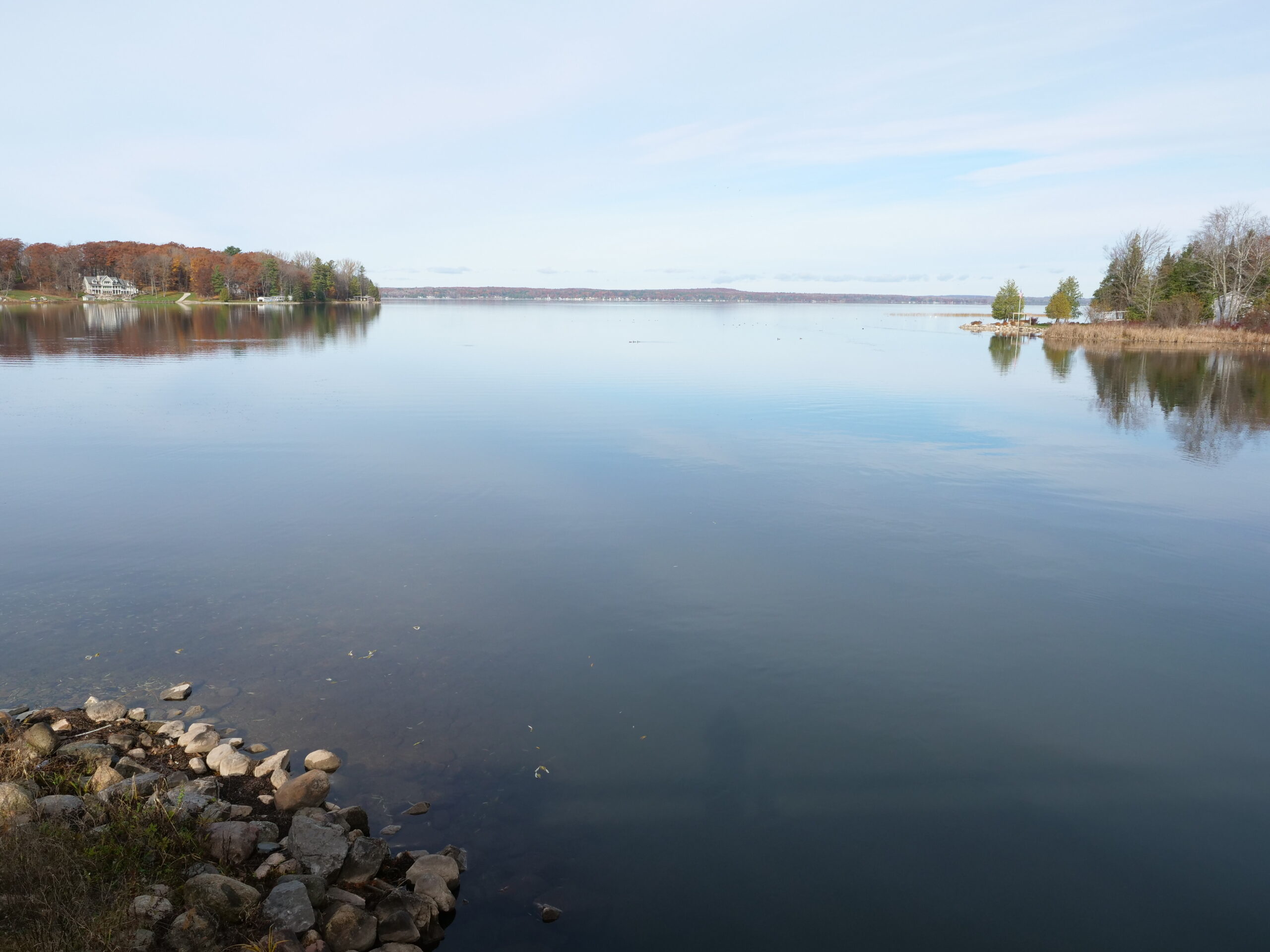
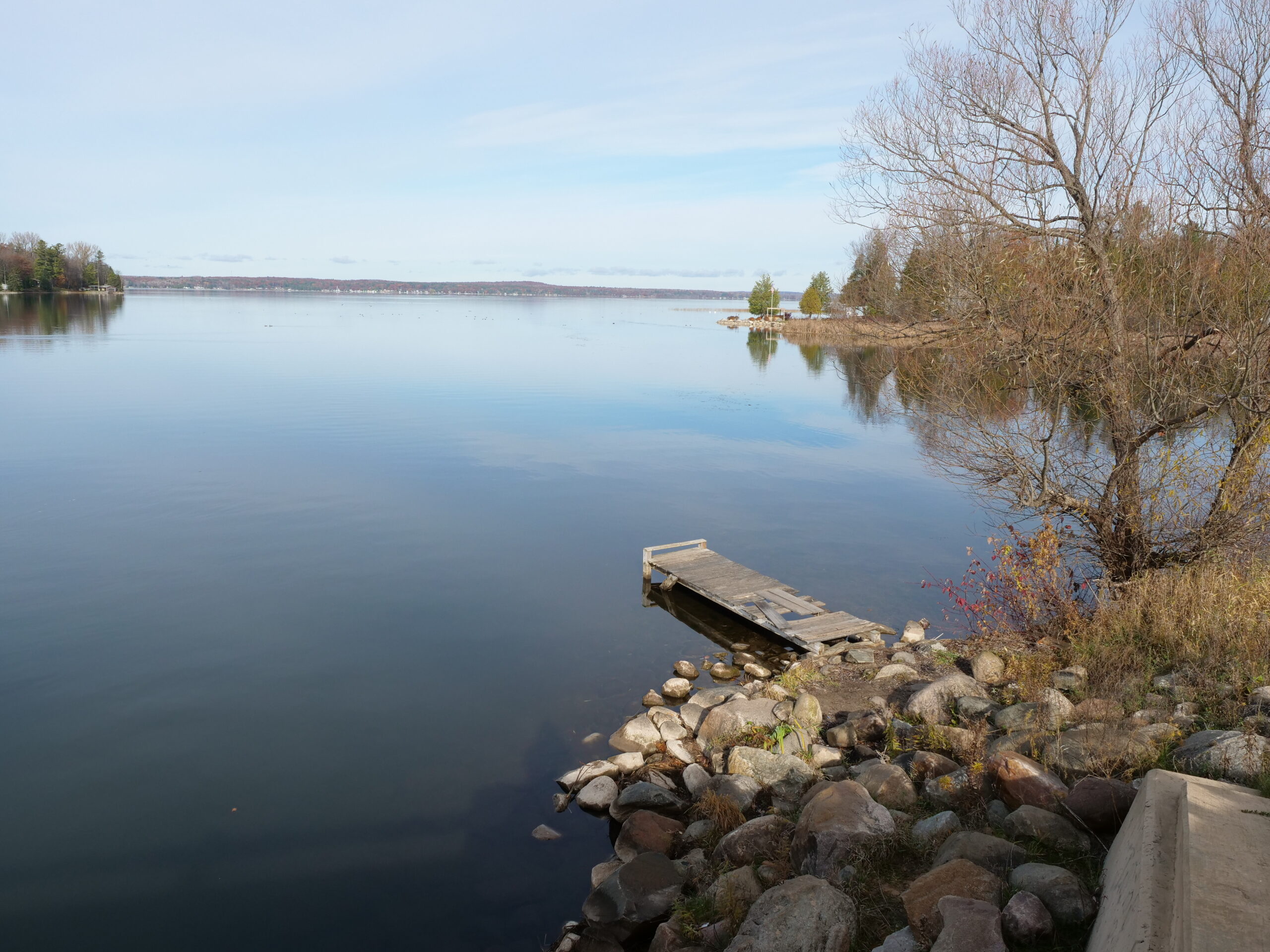
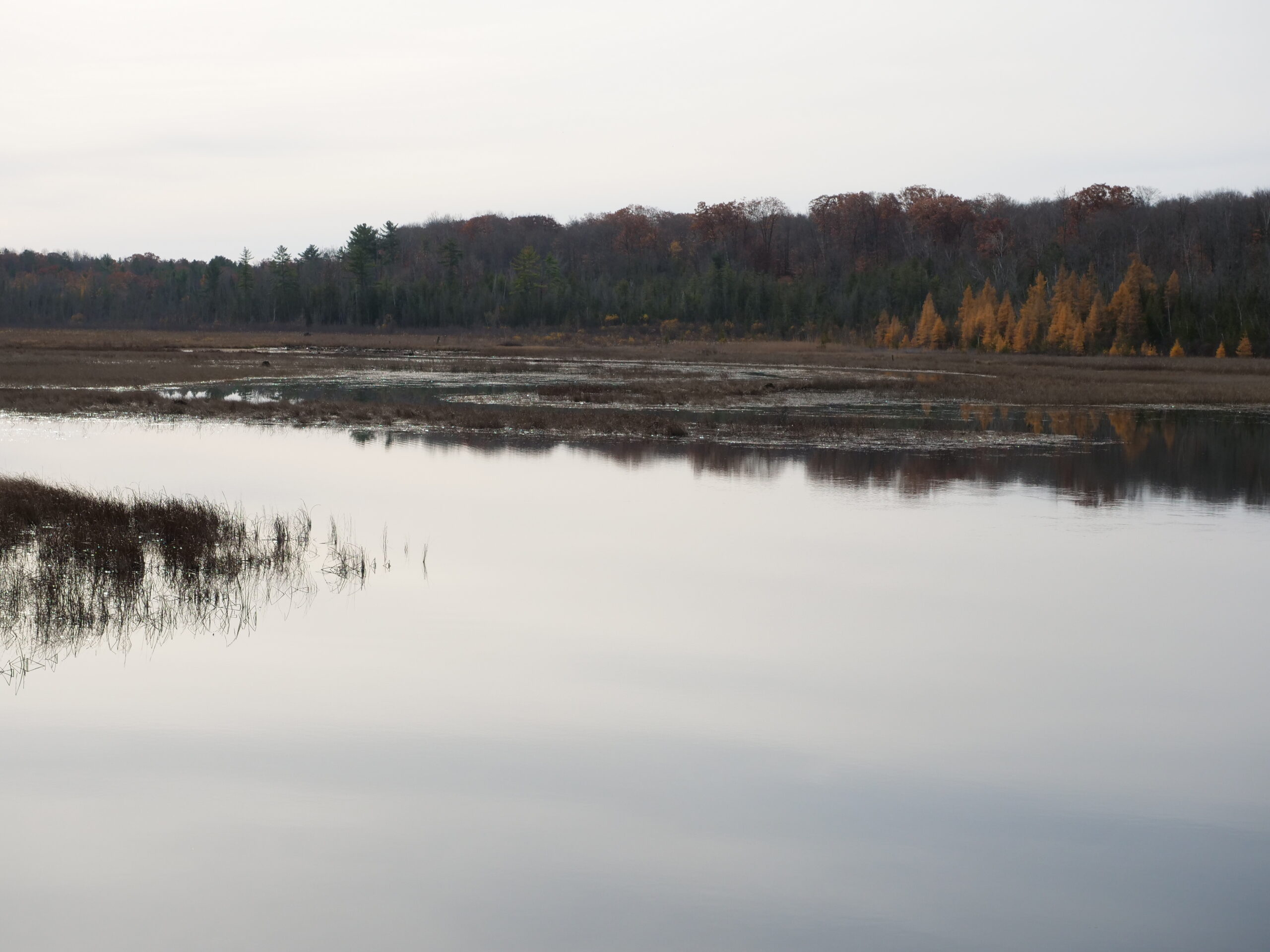
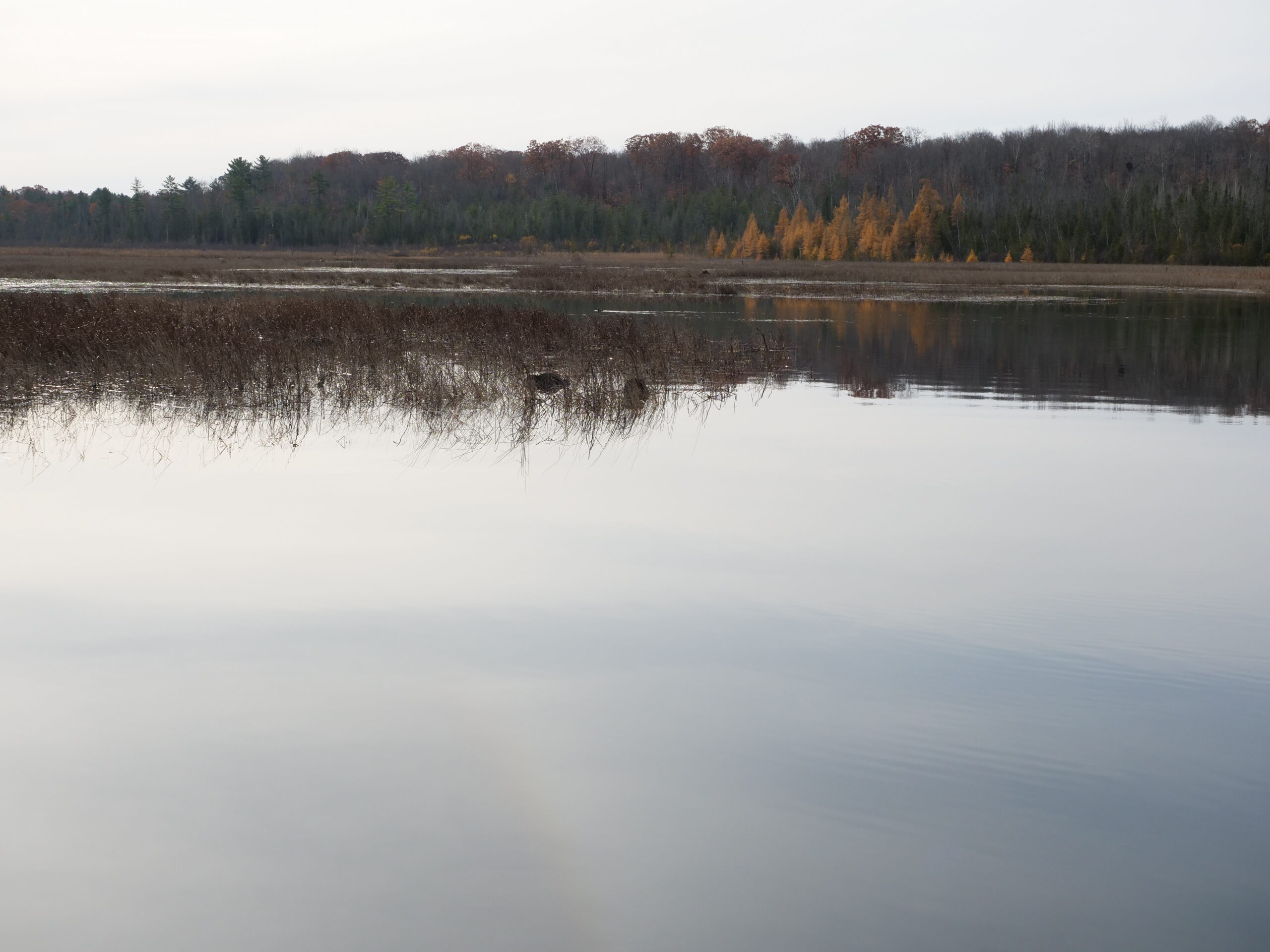
Mullett Lake is a large, deep, high-quality lake with 200 billion gallons within its basin. It is part of northeast Michigan’s Inland Waterway and is the state’s fifth largest lake, with a surface area of 16,630 acres. Tributaries of Mullett Lake include: Indian River, Little Sturgeon, Mullet Creek and East Little Pigeon. Mullett Lake lies within six different townships: Aloha, Benton, Inverness, Koehler, Mullett, and Tuscarora.
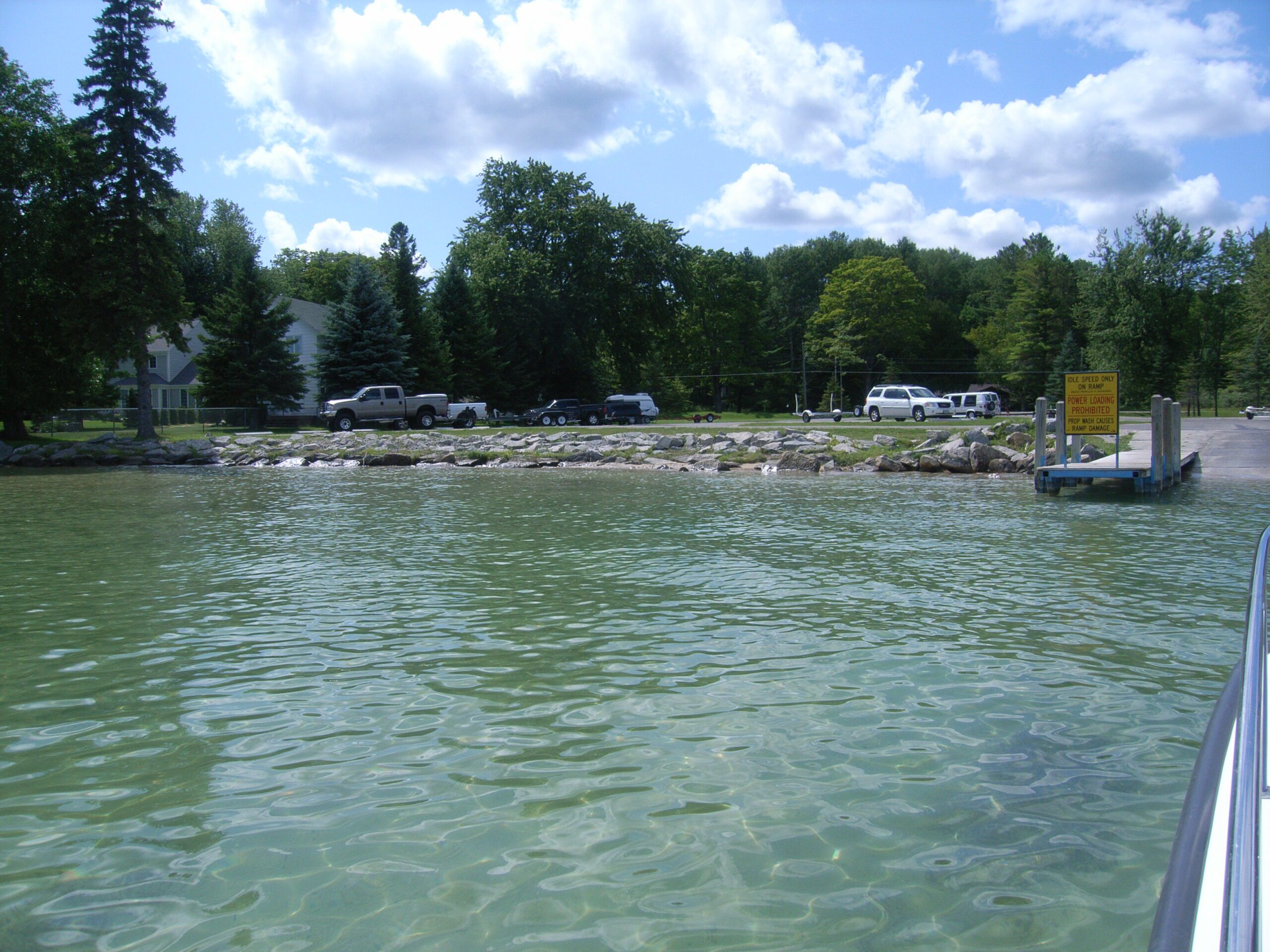
Mullett Lake is a popular lake for recreationists and supports activities such as fishing, boating, kayaking, canoeing, and swimming. During the summer months, the local population can increase three-fold with tourists and seasonal residents.
Monitoring and Research:
Mullett Lake is monitored every three years through the Watershed Council’s Comprehensive Water Quality Monitoring (CWQM) Program for dissolved oxygen, specific conductivity, pH, nitrate-nitrogen, total nitrogen, total phosphorus, and chloride levels.
Water transparency, chlorophyll-a, and water temperature are also monitored in Mullett Lake each summer by volunteers as part of the Watershed Council’s Volunteer Lake Monitoring (VLM) Program.
Additional Resources:
| Title | Link |
|---|---|
| 2024 Mullett Lake, Lower Black/Cheboygan Rivers Watershed Management Plan | |
| 2024 MAPS Indian River Chloride Project | |
| 2016 Mullett Lake Shoreline Survey | |
| 2015 Mullett Lake Partial Aquatic Plant Survey | |
| 2009 Mullett Lake Profile CWQM | |
| 2007 Mullett Lake Aquatic Plant Survey |
Shoreline Survey:
Natural Shoreline Restoration at Aloha State Park
In October 2026, Tip of the Mitt Watershed Council and project partners brought together 27 shoreline contractors at Aloha State Park on Mullett Lake for a hands-on Certified Natural Shoreline Professional (CNSP) training. Together, participants restored 67 feet of eroding shoreline using natural materials and techniques designed to protect water
Mullett Lake Shoreline Survey 2016
Project Summary During the summer of 2016, the Tip of the Mitt Watershed Council conducted a shoreline survey of Mullett Lake. Surveys were designed to replicate a 2008 shoreline survey, documenting conditions that can impact water quality, including the three biggest threats to inland lakes: nutrient pollution, habitat loss, and