
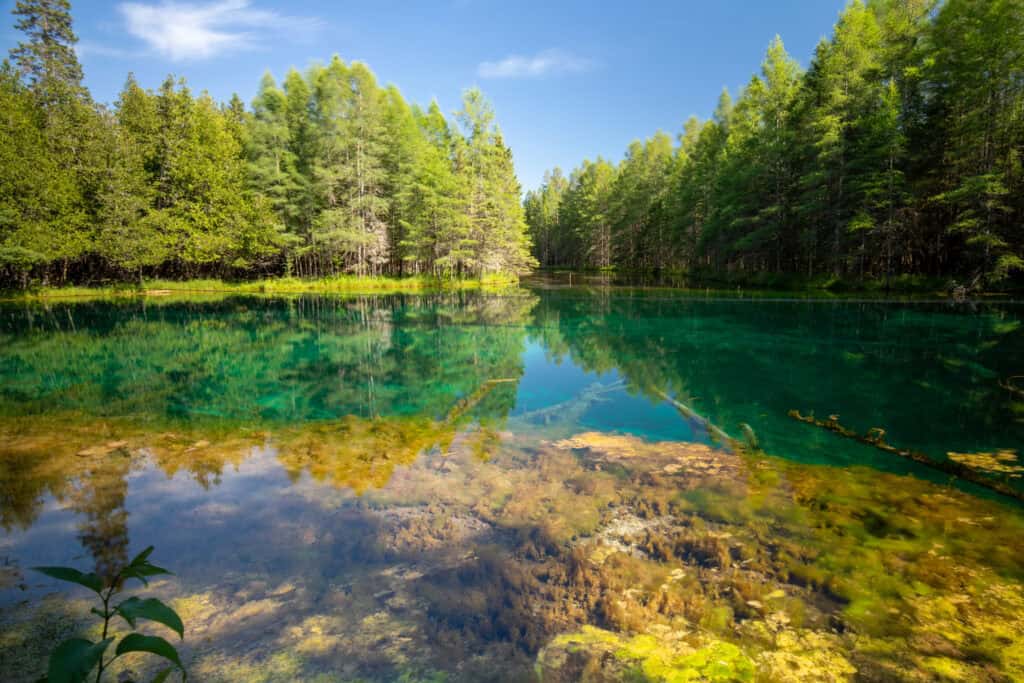
February is deep winter in Northern Michigan. Lakes and wetlands are frozen, snowbanks are high, and it can look like water has completely stopped moving. But underground, it has not. While surface water freezes, groundwater keeps flowing beneath our feet. Snow slowly melts and seeps into the soil, helping recharge aquifers and feed streams and wetlands from below.
This month, we are taking a closer look at groundwater, how it moves during winter, and why it matters year-round.
Water Science Spotlight: The Hidden World of Groundwater
Even in the coldest months, water continues to move beneath our feet. Groundwater is water stored underground in spaces between soil, sand, and rock. Snow that falls during winter slowly melts or compacts over time, allowing water to seep into the ground. This recharge helps refill underground aquifers that supply streams, wetlands, and lakes.
Many rivers and streams continue flowing in winter largely because groundwater feeds them from below. Without groundwater, some streams would shrink dramatically or even dry up during parts of the year.
Helping students understand groundwater reinforces the idea that water systems are connected, even when we cannot see them.
Classroom Resource: Groundwater Model
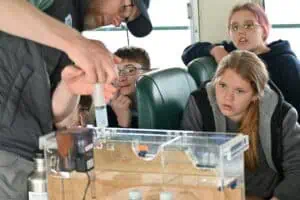
The Watershed Council has a hands-on groundwater model that teachers can borrow to help students visualize how water moves underground, how aquifers work, and how groundwater connects to surface water. To learn more or request the model, contact Eli Baker at eli@watershedcouncil.org.
Water Policy in Action: Protecting Groundwater in Michigan
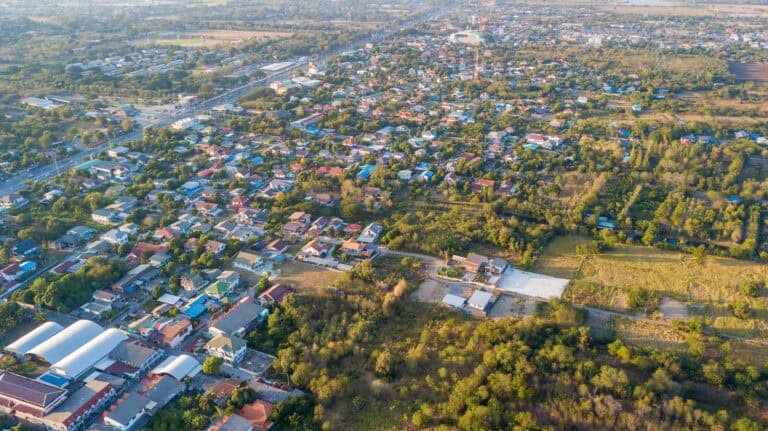
Groundwater supplies water for many Northern Michigan communities, especially those
that rely on private wells rather than large municipal systems.
State and local programs work to protect groundwater by:
- Using land-use planning to reduce pollution risks.
- Properly managing septic systems and wastewater.
- Monitoring potential contamination sources.
- Encouraging responsible fertilizer and chemical use.
Because groundwater moves slowly and is difficult to clean once polluted, prevention is the most effective protection. This is a powerful concept for students as they explore how everyday choices on land can affect water long after snow melts and seasons change.
Learn more: Groundwater Resources for Educators
Classroom Connection: How Groundwater Filters Water
This quick activity shows how groundwater can naturally filter water as it moves underground.
Try this: Layer gravel, sand, and soil in a clear cup or cut plastic bottle, then slowly pour muddy or colored water through and watch how it changes as it moves downward.
Materials: Clear cup or plastic bottle, gravel, sand, soil, water, and a small amount of dirt or food coloring.
Questions to explore: What did the soil and sand remove? What do you think could still travel through groundwater?
Don’t miss the latest news, stories, and updates from the Watershed Council! Sign up for our Ripple Report monthly e-newsletter and get it delivered straight to your inbox.
Are you a teacher or student? Sign up for our Classroom Currents monthly e-newsletter too!