
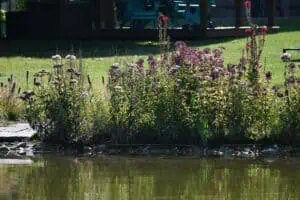
 Shorelines are where land and water meet, and what happens there has an outsized impact on the health of our lakes.
Across northern Michigan, shoreline ordinances and greenbelt protections help protect these critical transition zones and maintain water quality. These regulations often address things like required greenbelt vegetation strips along the water’s edge, limits on the amount of lawn or hard surface allowed near the lake, setbacks for structures, and erosion-control standards. These policies help establish natural shorelines and vegetative buffers as a common practice, showing individuals unfamiliar with their benefits how important they can be for both property owners and the lake itself. Natural shorelines filter runoff before it reaches the lake, stabilize soil and prevent erosion, provide habitat for fish and wildlife, and reduce excess nutrients that can contribute to excess plant growth and harmful algal blooms. A healthy shoreline protects water quality, property values, and the long-term character of the lakes that define our region. When natural vegetation is replaced with lawn or hardened structures like seawalls, we lose those benefits. Shoreline standards are not about limiting enjoyment of the water, but about ensuring that future generations can enjoy the same clear, healthy lakes we value today.
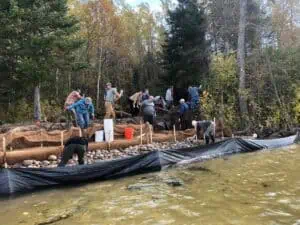
This program is designed for landscape, natural resource, and marine contractors who work on inland lake shorelines and want to design, install, and maintain functional natural shoreline landscapes using bioengineering erosion control techniques. The training includes two days of classroom instruction on March 11–12 at Lake St. Clair Metropark, followed by a hands-on field installation day on October 14 at Aloha State Park on Mullett Lake. Participants who complete the training, field day, and exam earn certification valid for three years.
Having more certified natural shoreline professionals in northern Michigan gives lakefront property owners more options and more confidence when choosing shoreline solutions that work with nature rather than against it. MNSP also maintains a public list of individuals who have successfully completed the training, making it easier for property owners to find contractors committed to lake-friendly practices.
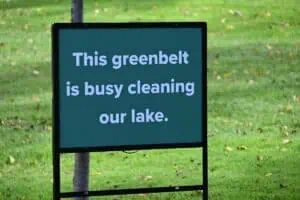
If you’re a contractor, now is the time to sign up. And if you’re a homeowner who has already invested in a shoreline greenbelt, we’d love to help you show it off. We have free metal signs available for pickup at our office that read: “This greenbelt is busy cleaning our lake.” It’s a simple way to celebrate your stewardship and spark conversations with neighbors about why natural shorelines matter.
Healthy lakes start at the shoreline. Whether through thoughtful ordinances, trained professionals, or individual property owners choosing to go above and beyond to prioritize their lake, every effort creates healthier waters for the future.