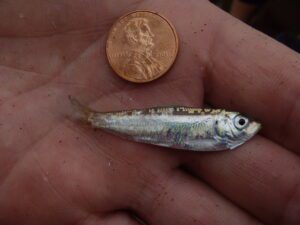
Alewife
This invasive species competes for plankton and aquatic organisms amongst native lake herring, whitefish, chubs, and perch, which

This invasive species competes for plankton and aquatic organisms amongst native lake herring, whitefish, chubs, and perch, which
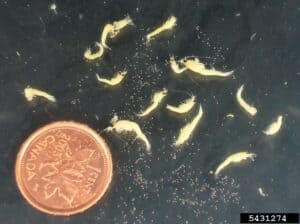
The bloody red shrimp is a mysid, a relative of the native Great Lakes opossum shrimp, Mysis relicta
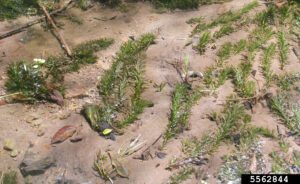
Rapid growth leads to dense, monospecific mats on the surface of the water. These mats crowd out native
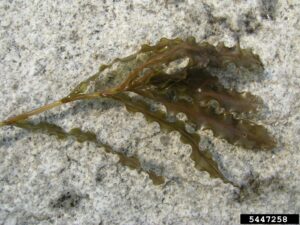
The origins of its introduction are unknown, but it is suspected that it was possibly imported as an
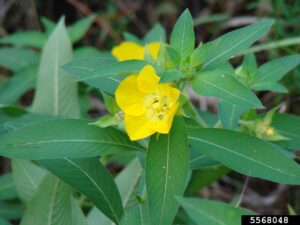
Invasive water-primrose species are aquatic plants that can thrive and spread in shallow water areas including wetlands and
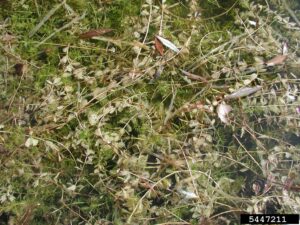
Eurasian watermilfoil (Myriophyllum Spicatum) is a plant native to Europe and Asia that was first documented in North
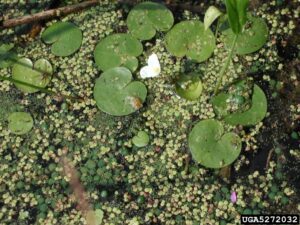
Hydrocharis morsus-ranae, better known as European Frogbit, is an aquatic, invasive species currently spreading throughout the Great Lakes
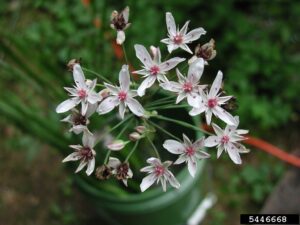
Flowering rush originated in Eurasia but can now be found throughout the Midwest, including in Southern Michigan, and
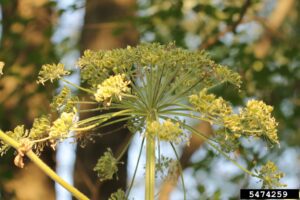
Giant Hogweed is a Federally listed noxious weed. Its sap, in combination with moisture and sunlight, can cause
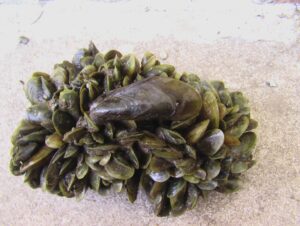
Golden Mussel is native to Chinese and south-eastern Asian rivers and creeks. It became established in Hong Kong
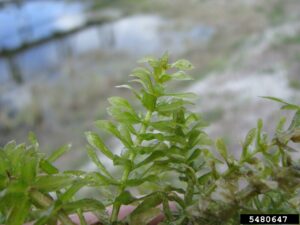
Hydrilla is a stocky whorled submergent plant with spiny leaves in whorls of approximately 4-6. It is well
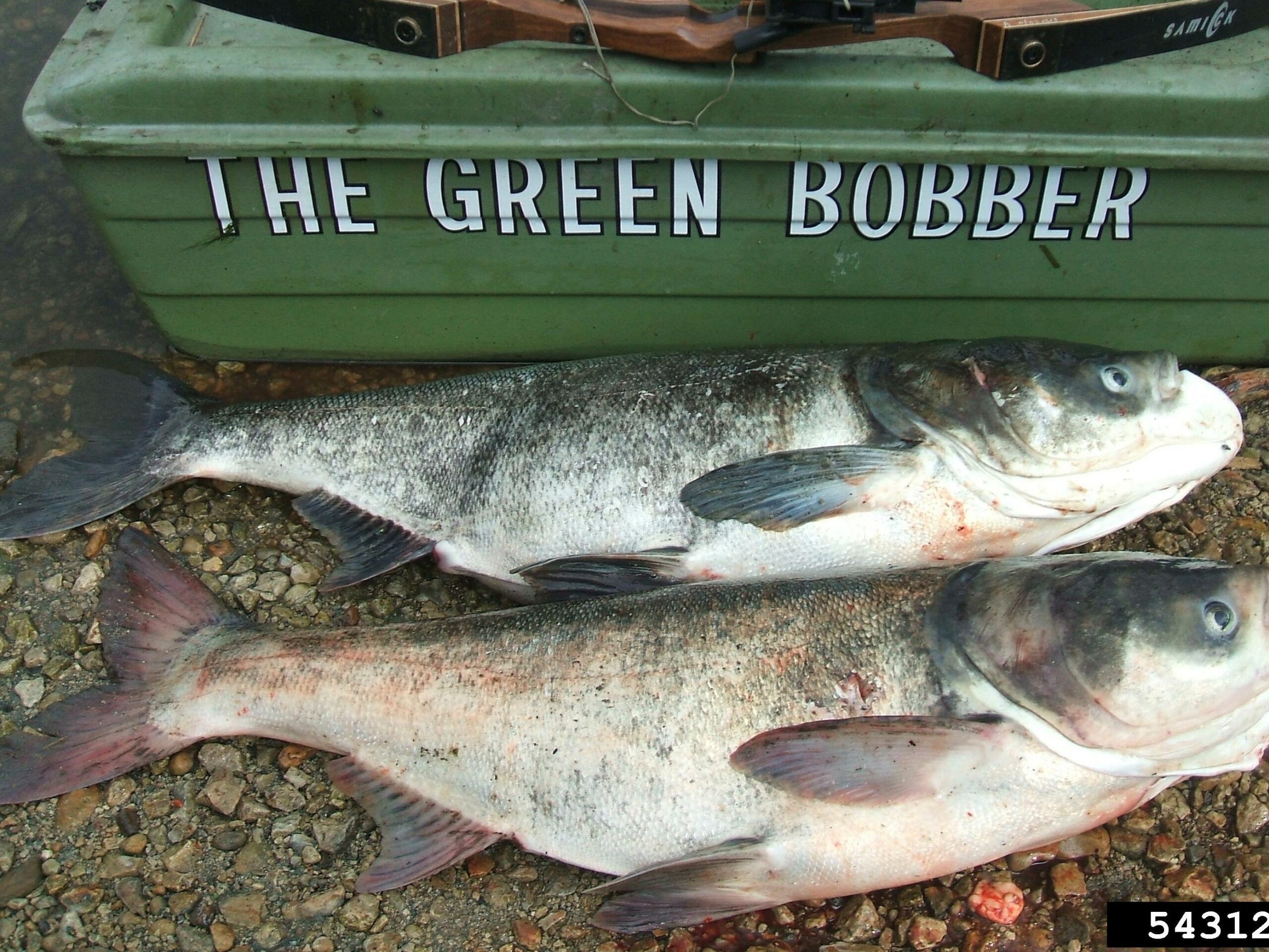
Invasive carp are a tremendous threat to the Great Lakes and could devastate the lakes if they enter
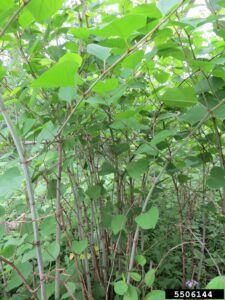
Two non-native invasive plants that have been gaining a foothold in recent years in Northern Michigan are Japanese
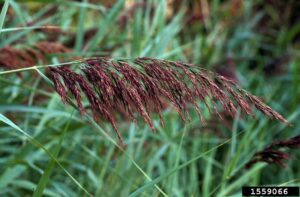
Phragmites (Phragmites australis), also known as the common reed, is an aggressive wetland invader that grows along the
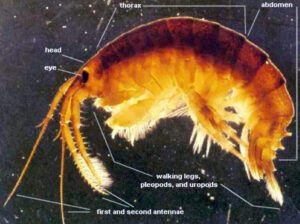
Killer shrimp is an amphipod native to the Ponto-Caspian region that has recently invaded and spread throughout western
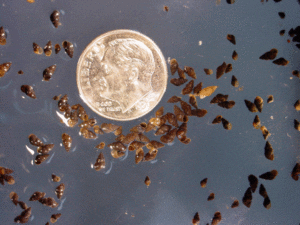
New Zealand mudsnails compete with other native species for food, disrupting the food chain and threaten the health
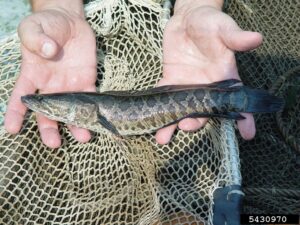
As with many non-native and invasive species, snakehead fish have no natural predators in the United States. This
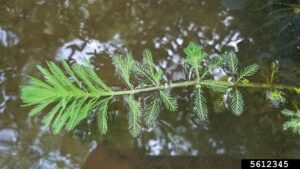
Parrot feather is an aggressive whorled aquatic plant that is similar to watermilfoils, but emergent. Its stems can